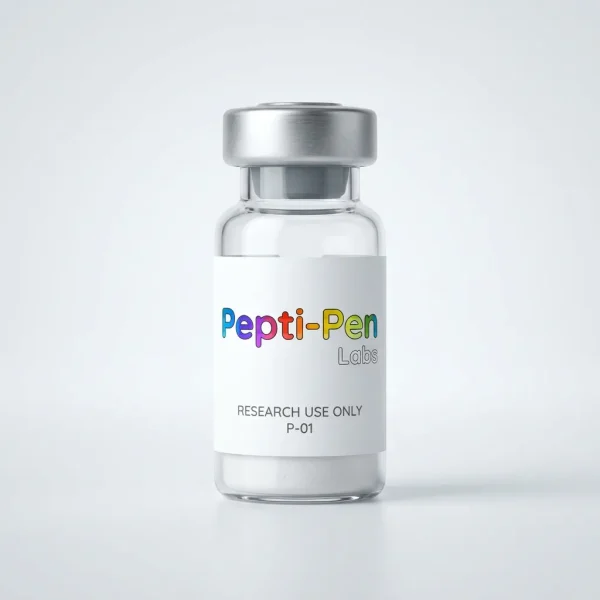
What It Is
BPC-157 (Body Protection Compound-157) is a synthetic pentadecapeptide composed of 15 amino acids derived from a protective protein fragment found in human gastric juice. It is stable in gastric environments and acts as a biological signaling peptide focused on cellular cytoprotection and angiogenesis.
What It Is Commonly Used For
-
Tendons, Ligaments & Soft Tissue Repair: Studied for accelerating growth factor expression (such as VEGFR2 and bFGF) to promote tendon-to-bone healing and ligament fiber structural reorganization.
-
Gastrointestinal & Mucosal Integrity: Evaluated for repairing mucosal lesions, protecting against NSAID-induced gut lining damage, and modulating inflammatory bowel pathways.
-
Angiogenesis & Microvascular Healing: Researched for stimulating rapid microvascular formation, facilitating nutrient and oxygen delivery directly to damaged ischemic tissue beds.
General Purpose
To provide a stable pentadecapeptide reference compound for investigating soft tissue repair mechanisms, gastrointestinal cytoprotection, vascularization, and wound-healing pathways in laboratory research.
Specifications
| Property |
Details |
| Product Name |
BPC-157 |
| Product Category |
Regenerative & Cytoprotective Peptides |
| Compound Type |
Synthetic Gastric Pentadecapeptide |
| Primary Goal |
Soft tissue repair study, mucosal healing, and angiogenesis regulation |
| Form |
Lyophilized powder (vial) / Oral capsule |
| Storage |
Store lyophilized powder at 2°C to 8°C (refrigerated) or -20°C for long-term storage. Protect from light. |
| Intended Use |
Laboratory Research Only |