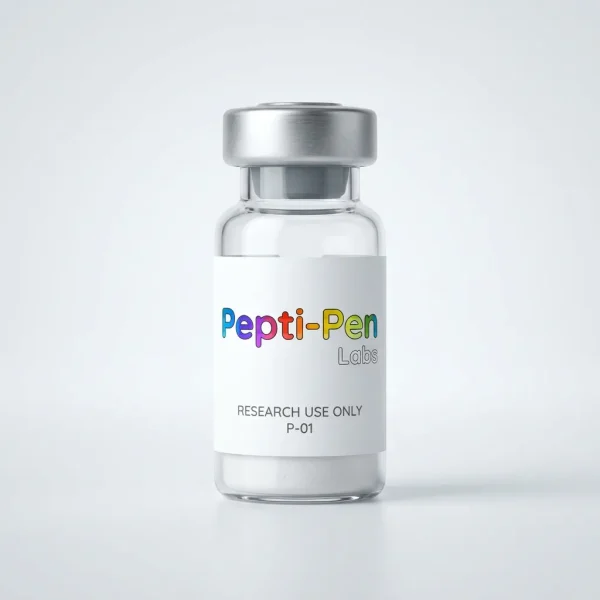
What It Is
Cardiogen is a synthetic bioregulatory tetrapeptide consisting of four amino acids. Developed as a targeted myocardial peptide bioregulator, it directly interacts with histone proteins and DNA structures within cardiac cells to regulate gene expression and cellular protein synthesis in myocardial tissue.
What It Is Commonly Used For
-
Cardiomyocyte Protection & Regeneration: Studied for its capacity to stimulate protein synthesis in cardiac muscle cells, supporting structural repair and reducing apoptosis in damaged or aging cardiomyocytes.
-
Fibrosis Suppression & Tissue Remodeling: Evaluated for its ability to inhibit excess fibroblast proliferation and reduce post-infarction myocardial scar tissue formation.
-
Microvascular & Metabolic Efficiency: Researched in cardiovascular models for enhancing cellular oxygen utilization, maintaining mitochondrial integrity, and improving microcirculation in cardiac tissue under hypoxic stress.
General Purpose
To provide a tissue-specific myocardial tetrapeptide for investigating cardiac gene expression, cardiomyocyte repair pathways, anti-fibrotic dynamics, and cardiovascular aging mechanisms in laboratory research.
Specifications
| Property |
Details |
| Product Name |
Cardiogen |
| Product Category |
Myocardial Bioregulatory Peptides |
| Compound Type |
Synthetic Tetrapeptide (Ala-Glu-Asp-Arg) |
| Primary Goal |
Cardiomyocyte regeneration, gene expression modulation, and anti-fibrotic research |
| Form |
Lyophilized powder (vial) |
| Storage |
Store lyophilized powder at 2°C to 8°C (refrigerated) or -20°C for long-term storage. Protect from direct light. |
| Intended Use |
Laboratory Research Only |